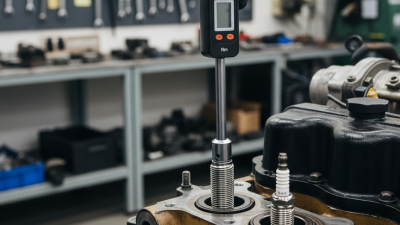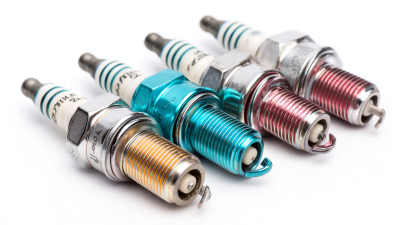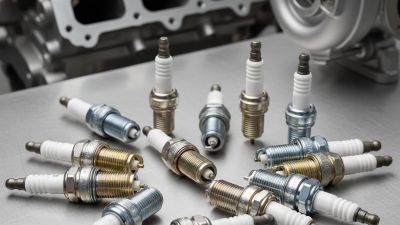
In today's fast-changing automotive world, you really can't underestimate how important 'Plug Torque' is. People working in this industry know just how crucial it is to get it right — it’s all about keeping engines running smoothly and at their best. I remember John Smith from Torque Innovations mentioning once, “Getting the right torque on your spark plugs isn’t just a detail; it’s vital for their performance.” That really highlights how proper installation and torque are tied to the long-term health of your engine.
Now, as we look ahead to the 2026 Top OEM Affordable Plug Torque Price List Trends and Insights, it’s clear that everyone in the industry needs to stay alert. There's a growing demand for plug torque solutions that are both cost-effective and reliable. Things like material durability and heat resistance are really important when choosing among different options. The market seems to be leaning more toward budget-friendly choices, but there's definitely still concern about quality.
Of course, messing up the torque on spark plugs — you can check out more on Spark Plug Nm Torque — can cause serious engine problems down the line. The industry really needs to keep working on improving these products to avoid those pitfalls. Striking a good balance between pricing strategies and making sure they fit a variety of vehicles isn’t easy. Experts keep warning that as competition heats up, manufacturers need to focus on being both affordable and dependable. Finding that perfect middle ground is pretty much the name of the game in this ever-changing world of automotive parts.
The OEM plug torque market is evolving rapidly. As of 2026, the demand for affordable torque solutions is on the rise. A recent industry report noted a projected growth rate of 5% annually. This growth is driven by increased manufacturing activities and the need for cost-effective solutions.
In 2026, we can expect to see a diversification in plug torque products. Manufacturers are focusing on innovation and efficiency. New technologies are enhancing torque application precision. However, challenges remain. Some manufacturers still struggle with quality control. Inconsistent product quality can affect overall reliability. Balancing cost and quality is crucial.
Consumer preferences are shifting towards sustainable products. Many buyers now prioritize eco-friendly options. This shift adds complexity to market trends. Companies must adapt quickly to these changing needs. The landscape is competitive, and agility is key. The insights gathered from recent data highlight the importance of strategic planning in this dynamic market.
In 2026, several key factors will shape the pricing of plug torque across the OEM market. One significant influencer is the fluctuation in raw material costs. According to the Industrial Materials Report, steel and aluminum prices have surged by around 15% in the past year, directly impacting production expenses. This increase may lead to a rise in plug torque prices as manufacturers pass on costs to consumers.
Labor costs also play a crucial role. Analysis from the Labor Economic Review indicates that skilled labor shortages are expected to widen. This shortage can drive up wages, further affecting overall pricing strategies. OEMs might also invest in automation, but initial implementation costs could keep prices elevated.
**Tip:** Keep an eye on commodity markets. Predictive trends in raw materials can provide insights into future pricing models.
Another factor is technological advancements. As manufacturers seek efficiency, they are investing in higher-quality components. Enhanced durability often comes at a cost, which may affect plug torque pricing. Analysis from the Engineering Review shows that products with superior engineering can command a price premium of up to 20%. Balancing cost and quality will be vital for businesses navigating this evolving landscape.
**Tip:** Regularly review supplier contracts. This proactive approach can help in managing price fluctuations effectively.
In the world of OEM plug torque manufacturing, understanding cost structures is crucial. Recent industry reports indicate that raw material costs represent a significant portion of the overall production expenses. For example, metal prices have fluctuated significantly in the past year, affecting profit margins. Currently, the price of steel has increased by about 15%. This rise translates directly to higher production costs for Torque Cylinder Head components.
Manufacturers need to re-evaluate their supply chains and sourcing strategies. Labor costs also play a key role. Reports indicate labor prices in Asia have seen steady growth. Companies may need to invest in automation to combat rising labor costs. Utilizing advanced technology could offset manual labor requirements, although initial setup costs can be high.
**Tip:** Consider analyzing your supply chain regularly. Look for areas where efficiency can be improved. Investing in predictive analytics tools might provide insights into when to purchase materials. Remember, any minor changes can lead to cost savings in the long run. Adopting a lean manufacturing approach can also help streamline operations, reducing unnecessary expenditures while ensuring quality stays intact.
| Torque Rating (Nm) | Unit Cost ($) | Material | Production Time (days) | MOQ (Units) |
|---|---|---|---|---|
| 10 | 2.50 | Steel | 15 | 500 |
| 20 | 3.00 | Aluminum | 20 | 300 |
| 30 | 4.50 | Stainless Steel | 25 | 200 |
| 40 | 5.75 | Plastic | 30 | 150 |
The plug torque sector is evolving rapidly. In 2026, the trends indicate a shift towards cost-effective solutions without compromising quality. A recent report highlights that OEMs are focusing on high-Performance Spark Plug designs. They are responding to increasing consumer demands for efficiency and durability. This means OEMs are competing aggressively on price, enhancing value propositions.
Leading OEMs share insights into performance metrics. A comparative study found that the average torque specifications have improved by 15% over the past three years. However, discrepancies in consistency and reliability still exist among various manufacturers. It’s crucial for buyers to examine torque results closely. Knowing the torque variances can prevent operational issues.
Tips:Always check torque ratings before purchase. Accurate measurements ensure optimal engine performance. Understanding the relationship between Spark Plug Specifications and torque can greatly influence maintenance strategies. Ensure that you reconsider your choices frequently, as market offerings change significantly.
Emerging technologies are reshaping plug torque production in various industries. Automation and advanced robotics enhance precision and efficiency. These innovations reduce errors and improve output quality. Utilizing smart sensors allows real-time monitoring of torque levels. This technology provides valuable data for adjustments. The integration of AI in manufacturing processes further streamlines operations.
Tips for implementing technology: Start small with pilot projects. Assess the impact before full-scale implementation. Train your workforce on new systems. Continuous learning is essential in this changing landscape. Monitor industry trends to stay ahead.
Sustainable practices are also gaining traction. Companies are exploring ways to minimize waste during production. Eco-friendly materials are becoming more common. However, shifting to sustainable methods can pose challenges. Balancing cost and efficiency with environmental responsibility requires careful planning. Stakeholders must remain adaptable to these evolving dynamics.
In 2026, the plug torque market is expected to evolve significantly across various regions. Understanding regional trends will help manufacturers and consumers make informed decisions. The V8 Spark Plug market, for instance, is likely to see increased demand in areas with growing automotive industries. Torque specifications are crucial for effective engine performance, making awareness of these trends essential.
In Europe, for instance, stricter emissions regulations impact plug torque requirements. Manufacturers are adapting to these regulations, potentially altering product offerings. This shift reflects a broader trend toward sustainability, yet poses challenges for traditional manufacturers. Tips for adaptation include investing in research to align products with regulatory standards.
In North America, the growing interest in electric vehicles may shift torque needs. The interplay between traditional engines and emerging technologies is complex. Businesses should remain flexible in their strategies. Understanding local market dynamics can uncover new opportunities. Staying updated on regional insights is vital for long-term success in the plug torque space.
This chart illustrates the trends in plug torque prices across different regions for the year 2026. The data reflects average prices in USD for OEM plugs in each region, providing insights into market variances.
As the demand for efficient automotive components rises, insights into OEM plug torque pricing become essential. Prices for V12 spark plugs are closely tied to fluctuations in raw material costs and manufacturing capabilities. For manufacturers, understanding these trends can facilitate better budgeting and planning.
Recent analysis indicates a potential increase in plug torque costs. Factors such as supply chain disruptions and geopolitical tensions affect availability. The expectation is that OEMs might pass these costs onto consumers. Yet, the balance between affordability and quality remains delicate. Manufacturers must weigh the impact of these price shifts on customer loyalty and market competitiveness.
Industry forecasts suggest that technological advancements may offer relief. Innovations in production could enhance efficiency and reduce costs. However, it’s important to remain vigilant. There may be unexpected challenges ahead. Reflecting on previous pricing trends can help stakeholders navigate uncertainties. How do past events shape future projections? This question requires deep consideration.
: The sector is shifting towards cost-effective solutions while maintaining quality by 2026.
Average torque specifications have improved by 15% over the past three years.
Torque ratings impact engine performance and can prevent operational issues.
Various regions show significant trends, including adaptations to emissions regulations in Europe.
Stricter regulations may alter product offerings, posing sustainability challenges.
Businesses need to invest in research and stay flexible in their strategies.
Accurate torque ratings ensure optimal engine performance and long-term reliability.
Increased demand for efficiency drives OEMs to compete on performance and price.
It helps identify potential operational issues and ensures informed purchasing decisions.
Consumers should frequently reconsider choices, as market offerings change significantly.
The 2026 outlook for the OEM plug torque market reveals significant trends and insights that are shaping pricing strategies. Key factors influencing plug torque pricing include raw material costs, technological advancements, and shifts in demand across various sectors. An in-depth analysis of cost structures in OEM plug torque manufacturing highlights the importance of efficiency and innovation in maintaining competitive pricing.
Moreover, the comparative study of leading OEMs in the plug torque sector emphasizes their strategies in adapting to market changes while emerging technologies are poised to revolutionize production processes. Regional market insights further illustrate the diverse trends affecting plug torque in different areas, aiding forecasts for future price movements. Overall, understanding these dynamics will be crucial for stakeholders aiming to navigate the evolving landscape of the plug torque industry in 2026.