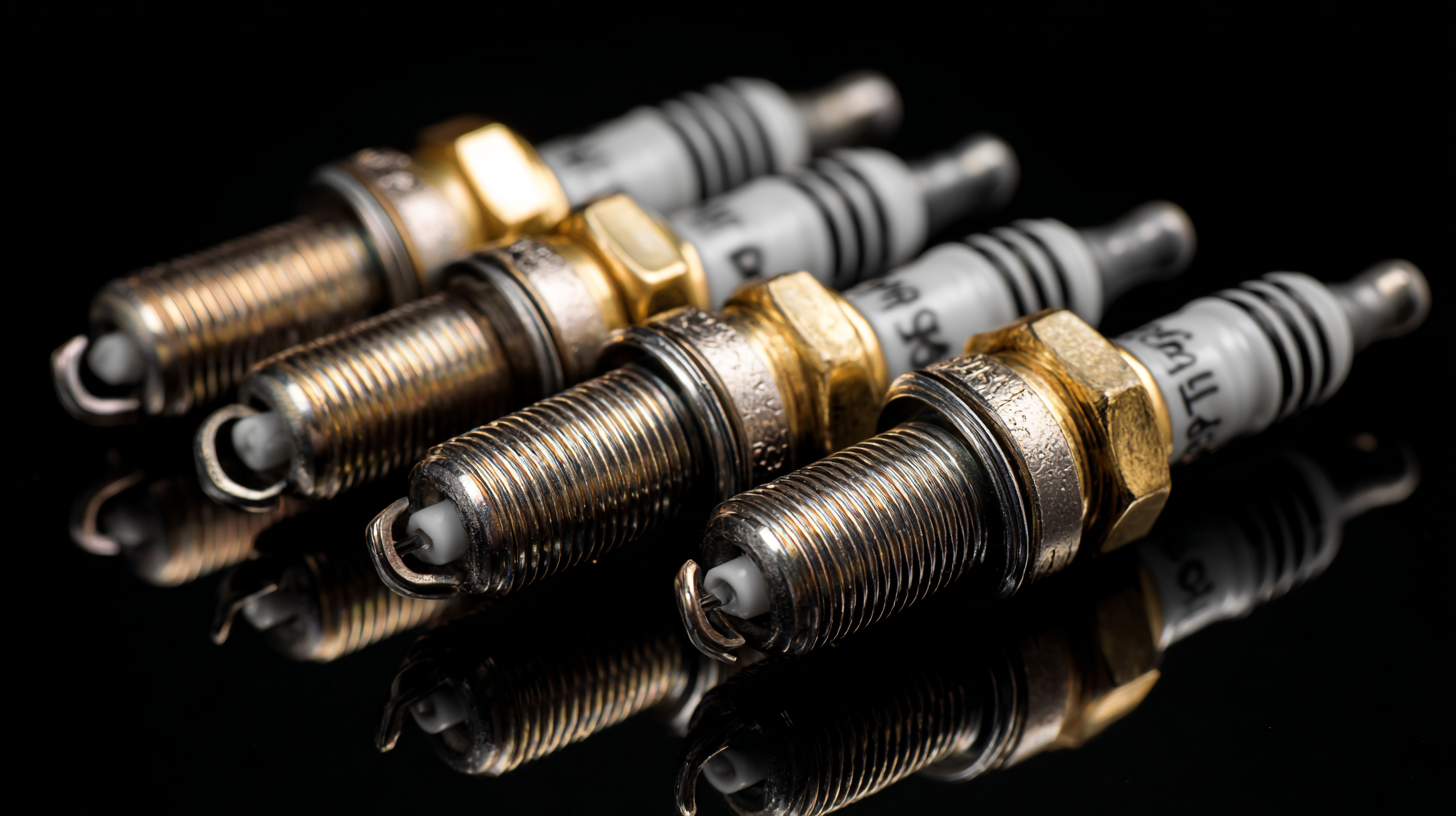
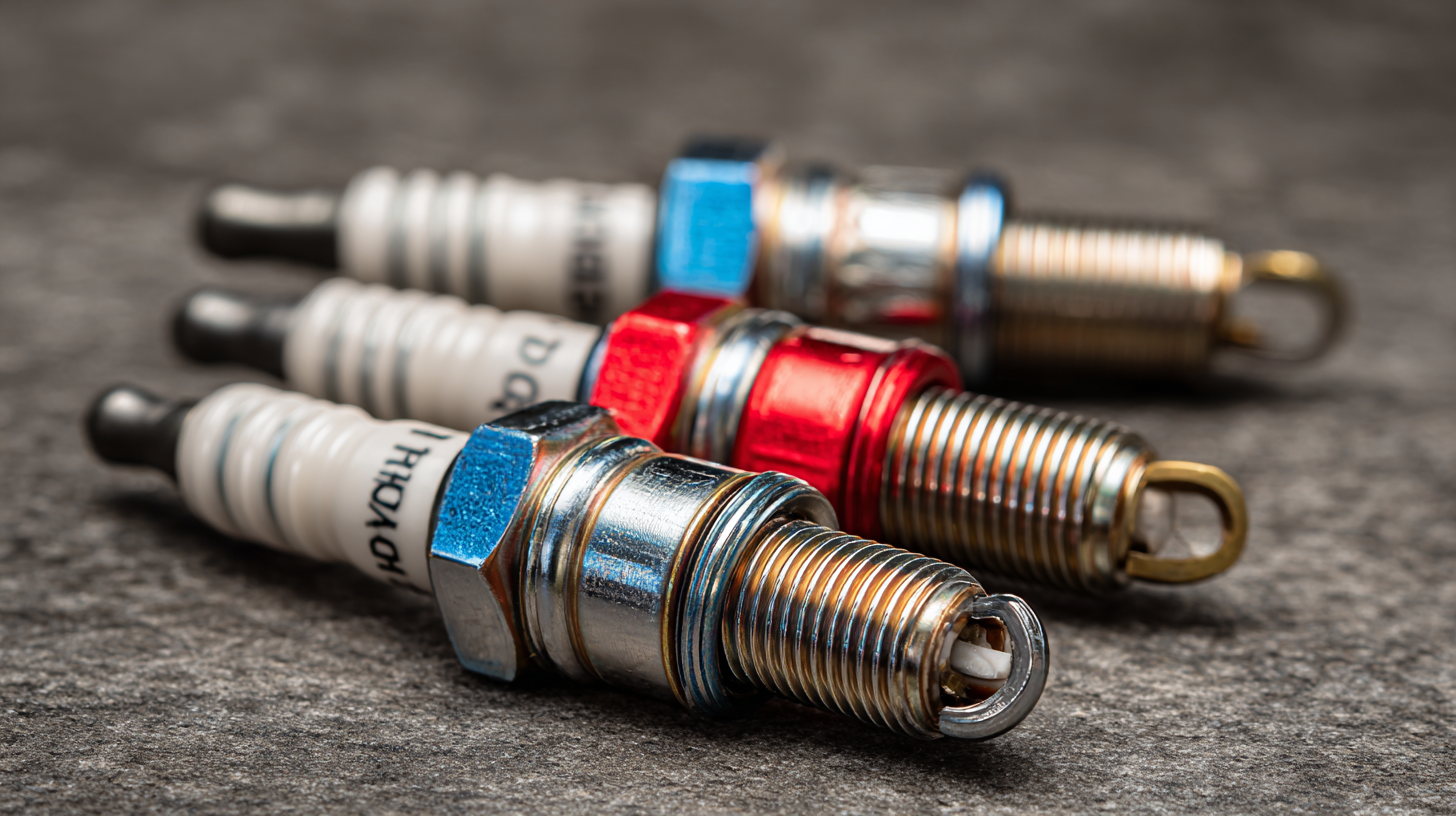
When it comes to getting the most out of your stationary gas engines, one thing that often gets overlooked is the spark plug gap. Believe it or not, this tiny adjustment can really make a big difference! Industry reports show that having the right spark plug gap can boost ignition efficiency, save you fuel, and even give your engine a bit more punch. In fact, some studies say that optimizing that gap can improve combustion by up to 10%, which is pretty impressive. At TECHIE Inc., we totally get that our customers depend on top-quality ignition systems for engines like GE Jenbacher, MWM, and CAT.
With over 95% market coverage in these systems, we’re here to make sure you have everything you need—so you can keep your spark plug gap just right for your engine. That way, you get better reliability and your engine lasts longer. We’re all about helping you keep things running smoothly!
Understanding Spark Plug Gap: Importance and Impact on Engine Performance
You know, that tiny gap on your spark plug really matters way more than most folks realize. It’s not just a small detail—this little space between the center and ground electrodes can actually influence how your engine runs. When it's set just right, it helps your engine ignite fuel properly, making everything run smoother, more efficiently, and with a bit more oomph. But if the gap’s too wide, the spark might not be strong enough, leading to incomplete combustion and a sluggish ride. On the flip side, if it’s too narrow, you might end up with fouling or misfiring, which just messes with your engine’s performance. Crazy, right?
Getting the spark plug gap right is pretty key whether you're into cars or just want your ride to run nicely. Usually, following your vehicle maker’s recommended specs does the trick. Different engines need different gap sizes to hit their sweet spot—so it’s worth knowing what yours specifically needs. Also, keep in mind that things like altitude or hot/cold weather can influence the perfect gap. So, doing regular checks and adjusting the gap if needed isn’t a bad idea—it helps keep your engine happy, running smoothly, and should extend its lifespan a bit too.
Exploring Different Spark Plug Gapping Methods: Pros and Cons
When you're trying to optimize your engine’s performance, one thing folks often overlook is the spark plug gap. It might seem small, but getting that gap just right can make a real difference. There are a few ways to do it, each with its own perks and quirks. For example, the most common method is using a spark plug gap tool — it’s pretty straightforward and reliable, plus it helps you be precise about the gap size. That said, you really should know the manufacturer’s specs because if you don’t, it might not work so well, especially if you’ve got a turbo or some fancy mods.
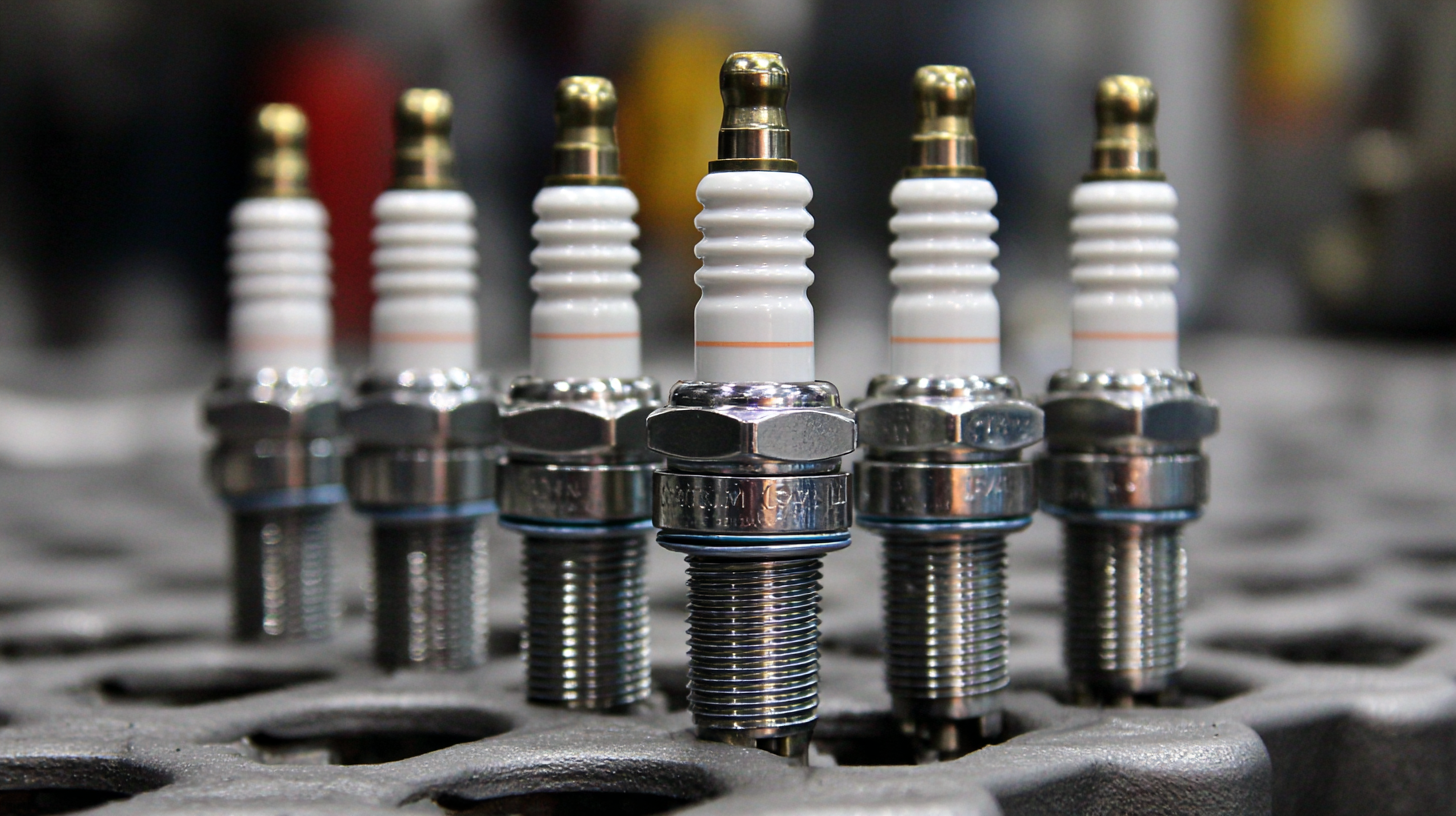
On the other hand, some people go the old-school route — grabbing pliers or something similar to tweak the gap manually. It’s a cheap way to play mechanic, but gotta be careful — a small slip-up can mess up your engine’s running, leading to inconsistent performance. Then there’s the feeler gauge method. That one’s a bit of a sweet spot — it’s pretty accurate and not too complicated, but you do need a steady hand and a little practice to get it just right. All these methods have their pros and cons, so it really depends on what your engine needs and how comfortable you are with tinkering around the gap yourself.
Common Alternatives to Standard Spark Plug Gaps for Enhanced Efficiency
When it comes to boosting your engine’s performance, picking the right spark plug gap can actually make a pretty big difference. Most of the time, people go with the standard gap recommended in the manuals, but honestly, there are quite a few alternatives that might give your engine a little extra boost. For engines with a bit more punch or when you're pushing your ride in specific driving situations, widening the gap can help the air-fuel mixture burn more completely. That’s a fancy way of saying more power and better fuel economy, which is especially handy if you're into racing or taking your off-road adventures seriously.
You might also want to consider upgrading to iridium or Platinum Spark Plugs. They usually have thinner wires that produce a tighter, more focused spark. This kind of spark can make ignition a lot more efficient, particularly in engines that need some precise tuning. Plus, tweaking the gap when using different types of fuel, like premium gas, can give your engine an extra edge. Basically, playing around with these options lets you strike a good balance between power and fuel efficiency—helping your car perform at its absolute best .
How to Choose the Right Spark Plug Gap for Your Engine Type
When you're figuring out the right spark plug gap for your engine, it’s super important to remember that not all engines are the same—each one has its own little quirks that can really make a difference in how it runs. Basically, the gap is just the space between the center electrode and the ground electrode on the spark plug. This tiny detail actually matters a lot because it affects how well the spark ignites the air-fuel mixture in the engine. For instance, if you’ve got a high-performance engine, a smaller gap can help create a hotter, more focused spark—giving you a bit more punch. On the other hand, regular engines usually do better with a wider gap to keep things running smoothly and efficiently.
So, how do you know what the right gap should be? Well, the best move is to check out your car’s manual or the manufacturer’s specs—these usually tell you the recommended gap based on thorough testing and design. But keep in mind, things like engine modifications, the kind of fuel you’re using, or even how you normally drive can influence the best gap for your setup. If you’re feeling a little unsure, grabbing a spark plug gap tool and making small, precise adjustments can really help you dial it in. Trust me, taking a few minutes to get this right can really boost your engine’s performance, save some gas, and even make your ride feel a bit smoother.
It's worth the effort—you’ll notice the difference in throttle response and how reliable your engine feels overall.
Comparing Aftermarket Spark Plug Options: What You Need to Know
When you're looking to boost your engine's performance, picking the right Aftermarket Spark Plugs is kind of a big deal. Not all spark plugs are the same—differences in materials, design, and how they’re made can really impact how well your engine ignites and how long those plugs last. Interestingly, a recent study by the Automotive Research Institute pointed out that if your spark plug gaps are off, you could see about a15% dip in fuel efficiency and an increase in emissions of unburned hydrocarbons. So, understanding these little details can really help you pick the best spark plugs for your specific engine setup.
Pro tip:Always double-check your vehicle’s manual for the Recommended Spark Plug gap. If you decide to go with aftermarket plugs, make sure to look at the manufacturer’s gap settings, because they might be a bit different from stock parts. For example,iridium and platinum spark plugs usually need a smaller gap compared to good old copper ones, to ensure a better spark.
When you're choosing aftermarket spark plugs, keep in mind both the material and the gap. Things like ceramic insulation can actually help with heat resistance, which is especially useful under high-pressure conditions. According to data from the Society of Automotive Engineers, plugs made with advanced materials like iridium last around 25% longer than regular ones—definitely worth considering if you want consistent performance over time.
Quick tip: Make it a habit to check your spark plugs regularly for signs of wear or carbon buildup. A clean, properly maintained spark plug not only helps your engine run smoothly but can also make those parts last longer over the years.
Impact of Environmental Factors on Spark Plug Gap Selection and Maintenance
When you're choosing the right spark plug gap for your engine, it’s super important to keep in mind the weather and environmental stuff that can really impact how well your engine runs. Things like humidity, temperature, and altitude change the air density, which then affects how the engine's combustion works. For example, if you're up in the mountains where the air’s thinner, going for a slightly wider spark plug gap might actually help with better ignition of the fuel-air mix. On the flip side, if the weather’s humid, a tighter gap could give a more reliable spark, helping prevent misfires and making sure everything burns nicely.
Also, don’t forget that regular upkeep is key, especially considering the environment you’re in. Dust, moisture, and other nasty stuff can build up around your spark plugs, which can lead to poor engine performance or even knocking. If you live somewhere with crazy temperature swings or rough weather, it’s a good idea to check and tweak your spark plug gap a bit more often. Adjusting the gap according to these environmental factors can really boost your engine’s performance and make your spark plugs last longer, which means a smoother, more enjoyable ride overall.
Optimizing Engine Performance: Insights from Recent Reports on the Impact of TECHIE Premium Industrial Spark Plugs for MTU 4000 and CAT Engines
Optimizing engine performance has become increasingly essential for industrial applications, and recent reports highlight the significant benefits of using TECHIE premium industrial spark plugs. Specifically designed for MTU 4000 series and CAT gas engines, these prechamber spark plugs offer a reliable replacement for CAT 0346 5123 and MTU X52404500039. By integrating advanced design and materials, TECHIE plugs ensure improved ignition efficiency and enhanced overall engine performance.
Recent studies indicate that the adoption of TECHIE spark plugs can lead to noticeable enhancements in power output and fuel efficiency. Users have reported reduced maintenance costs and longer operational life, attributing these improvements to superior heat resistance and optimized combustion characteristics. The compatibility of these spark plugs with both MTU 4000 and CAT engines makes them a versatile choice for operators who demand reliability and performance in challenging industrial environments.
As the need for efficient and high-performance engine solutions grows, the role of top-quality components like TECHIE spark plugs cannot be overlooked. Investing in these innovative spark plugs not only helps in maintaining peak engine performance but also contributes to a more sustainable operation by lowering emissions and fuel consumption. Embrace the change today, and let your engines perform at their best with TECHIE premium spark plugs.
FAQS
: The spark plug gap is the distance between the center and ground electrode of a spark plug. It is crucial for engine performance as it influences ignition timing, fuel efficiency, and power output.
If the gap is too wide, the spark may be weak, leading to incomplete combustion and poor engine performance.
A gap that is too narrow can cause spark plug fouling and misfires, negatively affecting engine efficiency.
The ideal spark plug gap can be determined by consulting your engine's manual or manufacturer specifications, which provide recommended measurements based on testing.
Environmental factors such as altitude and temperature can affect the ideal spark plug gap size, so adjustments may be necessary based on these conditions.
When selecting aftermarket spark plugs, consider differences in materials, design, and gap settings, as these can impact ignition efficiency and longevity.
High-performance engines may require a smaller gap for a hotter, more concentrated spark, while standard engines often need a wider gap for optimal combustion efficiency.
Regular inspections help identify wear and carbon buildup on spark plugs, which supports efficient combustion and prolongs engine life.
Yes, improper spark plug gaps can lead to a decrease in fuel efficiency and increase emissions of unburned hydrocarbons by up to 15%.
Spark plugs made with advanced materials like iridium can last up to 25% longer than conventional plugs, providing better thermal resistance and sustained engine performance under high-pressure conditions.