Leave Your Message
 Picking the right spark plugs for your car might not sound like a big deal, but trust me, it really matters when it comes to keeping your engine running smoothly and efficiently. Spark plugs are a key part of your ignition system—they're basically the spark that gets everything going. As automotive expert John Doe, CEO of Auto Innovations, says, “Getting the right spark plugs can be the difference between a smooth ride and possibly stalling out on the side of the road.” So yeah, it’s pretty important.
Now, with so many options out there, deciding which spark plugs to go with can feel a bit overwhelming. You’ve got to think about your car’s make and model, how and where you drive, and even your personal preferences. That’s exactly why I put together this handy guide, “10 Essential Tips for Choosing the Right Spark Plugs for Your Vehicle,” tailored for 2025’s automotive scene. It’ll help you feel more confident making choices that suit your car’s needs.
Knowing your options and understanding the little Differences Between Spark Plugs isn’t just helpful—it can actually make your driving experiencebetter and even help your engine last longer. By following these simple tips, you’ll be able to pick the best spark plugs without any hassle and keep your ride running smoothly for years to come. Trust me, it’s worth taking the time to get it right.
When selecting the right spark plugs for your vehicle, understanding your car's specifications is crucial. Different engines require specific types of spark plugs to function optimally. The vehicle's owner’s manualis an excellent starting point, as it typically lists the manufacturer's Recommended Spark Plug type, including size, heat range, and electrode configuration.
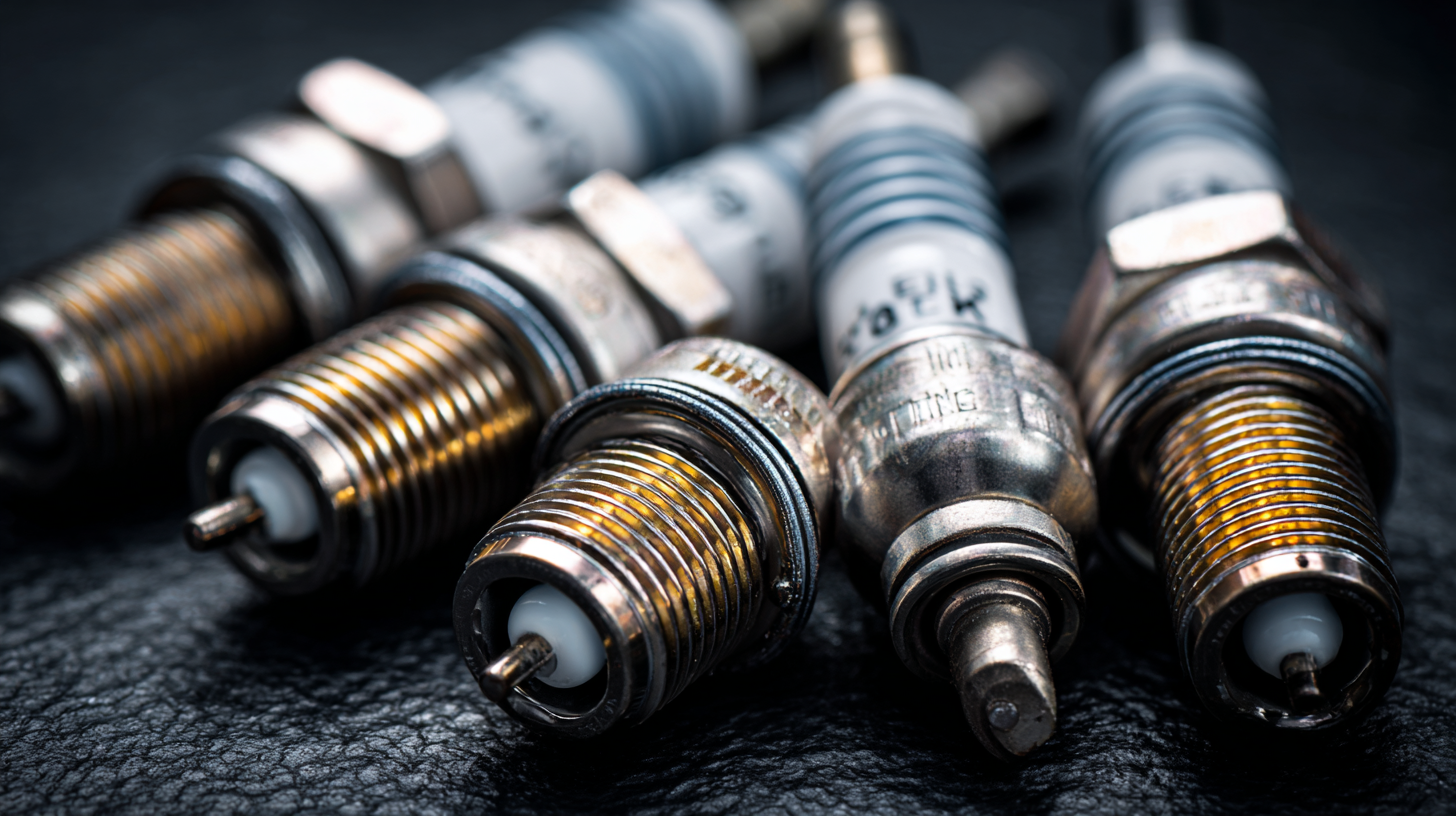
Another important aspect to consider is the compatibility of Spark Plug Materials with your engine's operation. Spark plugs can be made from various materials likecopper, platinum, or iridium, each offering different performance and durability benefits. For example, iridium spark plugs tend to last longer and provide better ignition efficiency but may come at a higher cost.
It's essential to assess your driving habits and maintenance regimen when determining the best spark plug type that aligns with your vehicle's specifications and ensures optimal performance.
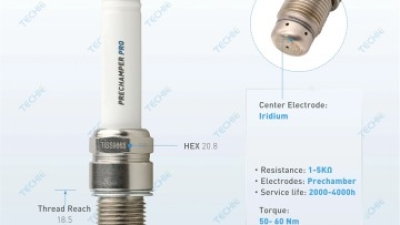
In the world of industrial engines, performance and reliability are paramount. For operators of MTU 4000 series and CAT gas engines, optimizing engine performance is crucial for enhancing productivity and reducing costs. One effective means of achieving this is by utilizing TECHIE Premium Prechamber Spark Plugs, specifically designed for these high-demand engines. These spark plugs not only ensure optimal ignition efficiency but also play a significant role in minimizing fuel consumption and emissions.
TECHIE premium industrial spark plugs replace the OEM parts, such as CAT 0346 5123 and MTU X52404500039, offering superior performance and longevity. The innovative design of the prechamber spark plug enhances combustion efficiency, which translates directly to improved engine output and responsiveness. With the robust construction of TECHIE plugs, users can expect reduced downtime and maintenance costs, making them a smart investment for companies relying on the MTU 4000 and CAT gas engines. Whether for heavy-duty applications or continuous operations, incorporating these high-quality spark plugs can lead to a noticeable difference in engine performance and overall operational efficiency.
: The best way to determine the correct spark plug type is to refer to your vehicle's owner’s manual, which usually lists the recommended spark plug type, including size, heat range, and electrode configuration.
Several factors influence the choice of spark plugs, including the vehicle's engine design (naturally aspirated vs. turbocharged), driving habits, and maintenance regimen.
Spark plugs can be made from various materials such as copper, platinum, and iridium. Each material offers different benefits: iridium plugs last longer and provide better ignition efficiency, while standard copper plugs are more cost-effective but have a shorter lifespan.
The gap size between spark plug electrodes is crucial for optimal ignition, as it ensures the spark generated is sufficient to ignite the air-fuel mixture efficiently. Incorrect gap size can lead to reduced engine performance and increased emissions.
The standard spark plug gap size typically ranges from 0.028 to 0.060 inches, although this can vary based on your vehicle's make and model.
Regularly checking and adjusting your spark plugs to maintain the correct gap can improve fuel efficiency by up to 2.5%, contributing to better overall performance.
Standard spark plugs are cost-effective but have a shorter lifespan (20,000 to 30,000 miles), while iridium spark plugs are more durable and can last up to 100,000 miles, often resulting in better fuel efficiency.
Yes, if you drive under demanding conditions (like frequent short trips or towing), opting for iridium plugs may enhance your engine's performance and reliability.
Choosing spark plugs with the appropriate temperature range for your engine helps prevent misfiring, which can lead to costly repairs and decreased engine performance.
Vehicles equipped with iridium spark plugs can experience up to a 15% improvement in fuel efficiency due to their superior design and efficiency compared to standard plugs.
Choosing the right spark plugs is crucial for optimal engine performance, especially for gas engines. This article outlines essential tips for selecting spark plugs tailored to your vehicle's specifications, including understanding heat range and its effects on performance. The construction materials of spark plugs significantly influence their longevity, while the proper gap size is vital for achieving optimal ignition.
Furthermore, the article discusses the differences between standard and iridium spark plugs, weighing their pros and cons, and emphasizes the importance of knowing when to replace spark plugs based on performance signs and scheduled maintenance. For comprehensive ignition system solutions, including spark plugs and other spare parts for gas engines, TECHIE Inc. offers extensive coverage and one-stop service tailored for various engine models like GE Jenbacher and CAT.
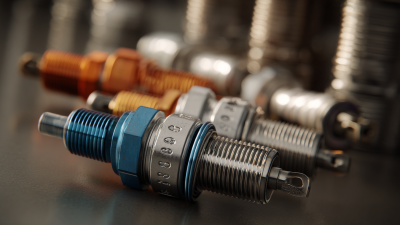
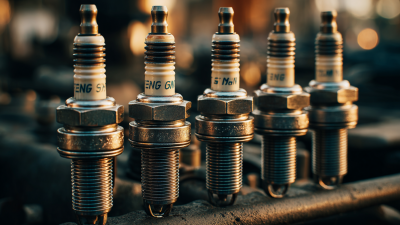
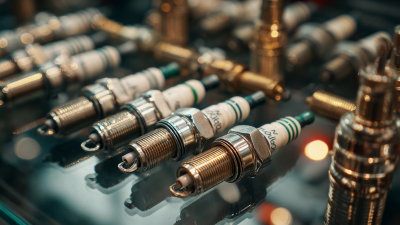
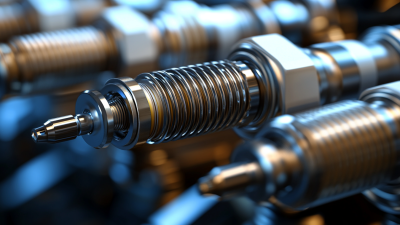



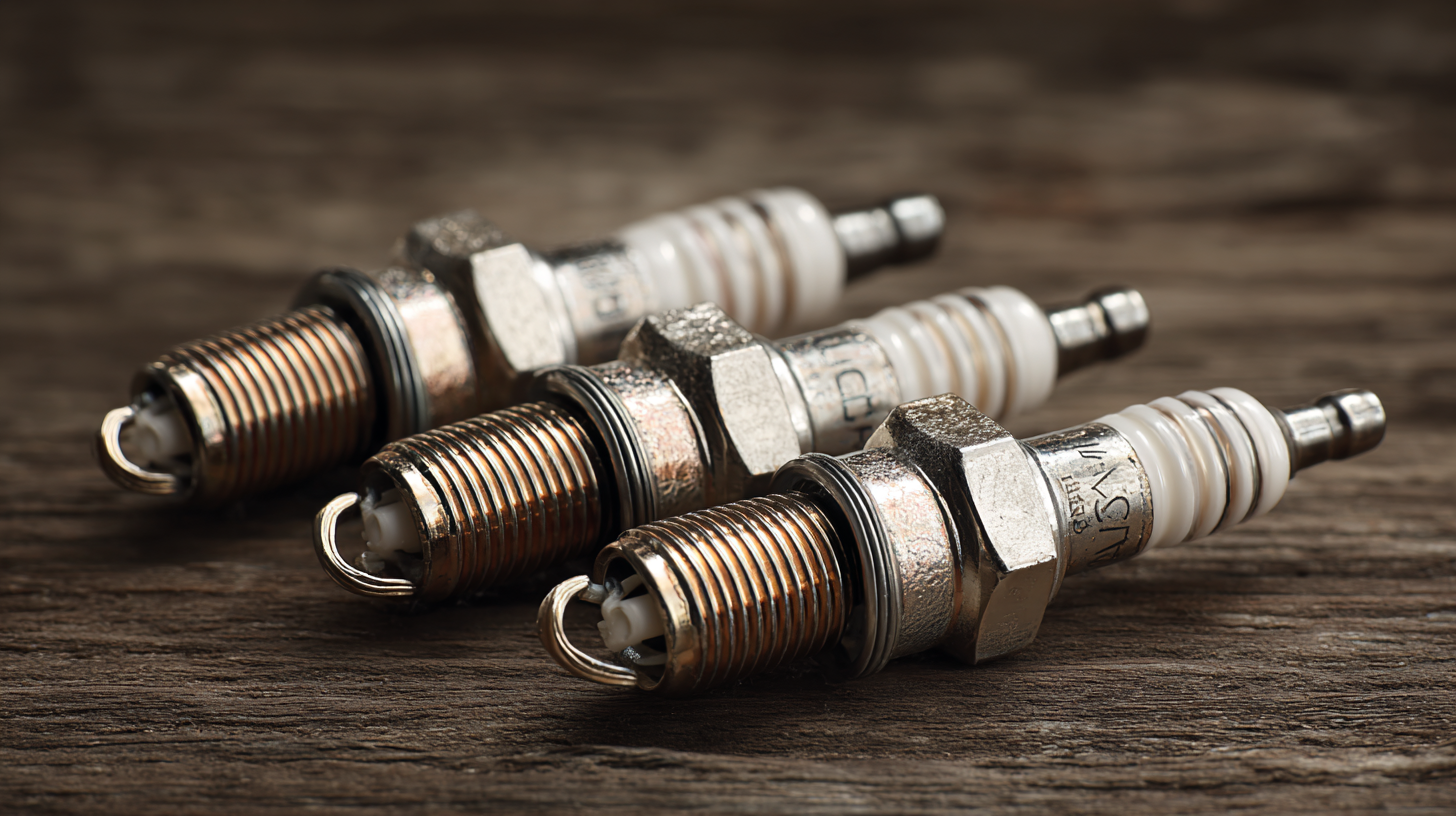
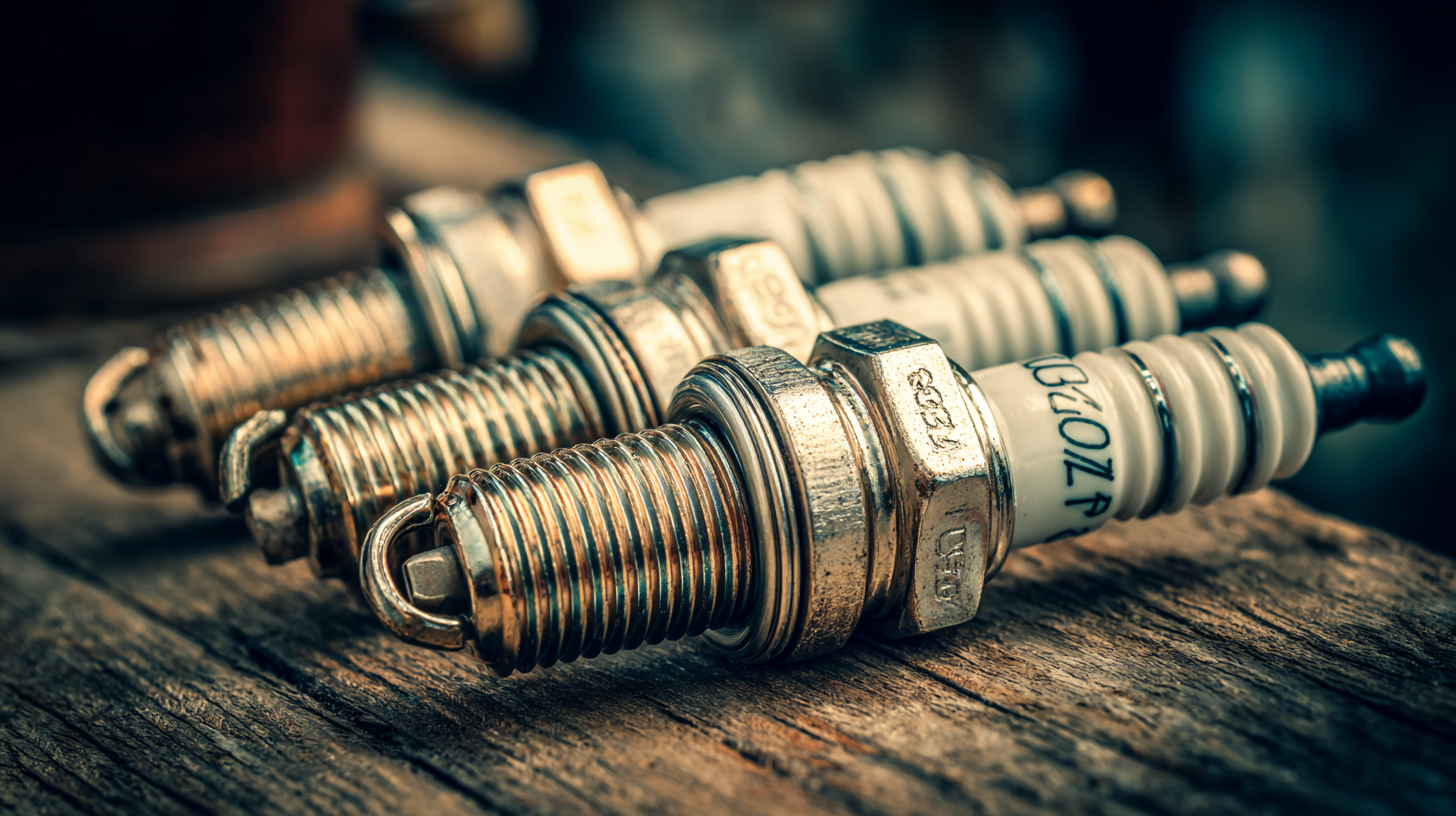 When it comes to optimizing ignition in your vehicle, the gap size between the spark plug electrodes plays a crucial role. A well-adjusted spark plug gap ensures that the spark generated is sufficient to ignite the air-fuel mixture in the combustion chamber efficiently. According to a report by the Society of Automotive Engineers (SAE), improper gap size can lead to reduced engine performance, decreased fuel economy, and increased emissions. A standard gap for most vehicles typically ranges from 0.028 to 0.060 inches, but this can vary depending on your vehicle's make and model.