Getting a grip on how spark plug prices work can feel pretty overwhelming at times. Like, prices can really vary a lot based on brand and quality, you know? Robert Johnson, who’s kind of an industry expert over at AutoTech Solutions, points out that understanding these differences is key to picking the right spark plugs. His insights really help shed light on all the little nuances involved.
Nowadays, a bunch of factors come into play when you're looking at spark plug prices. You might spot some premium options that cost more, while there are also cheaper alternatives out there. But here’s the thing—just because something’s cheaper doesn’t automatically mean it performs better. In fact, quality should always be your main focus.
Figuring out the best deal on spark plugs isn’t always straightforward. Doing a bit of research on brands and reading reviews can definitely help, but sometimes it just leaves you more confused. It’s all about finding that sweet spot between cost and quality. Honestly, spending a bit more upfront can actually save you money down the line on repairs and maintenance. So, understanding what actually drives the price can really help you make a smarter choice for your vehicle.
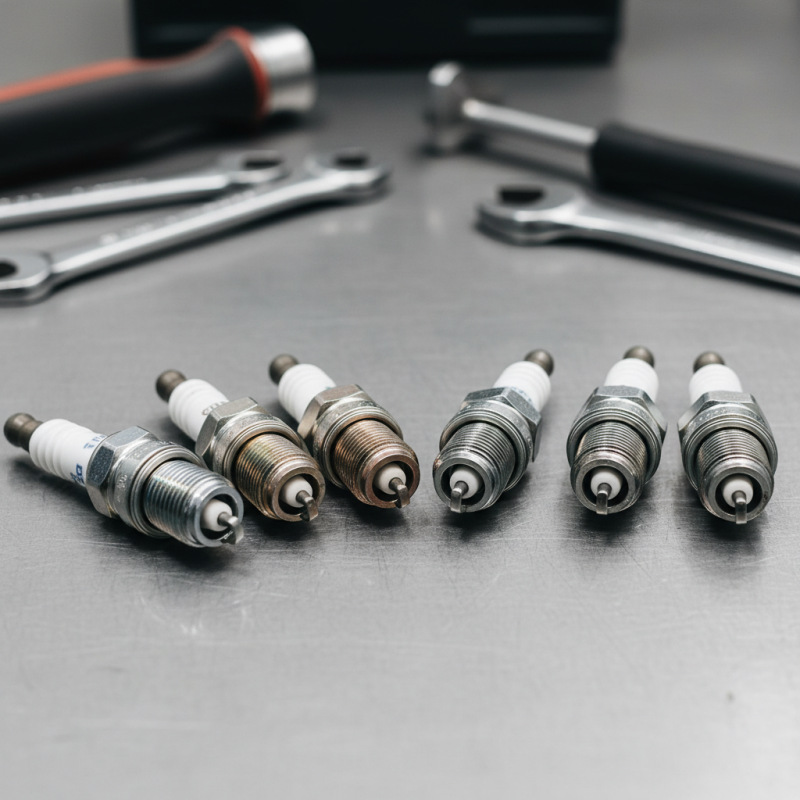
What Are Spark Plugs and Their Role in Engine Performance?
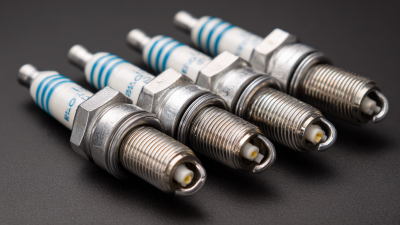
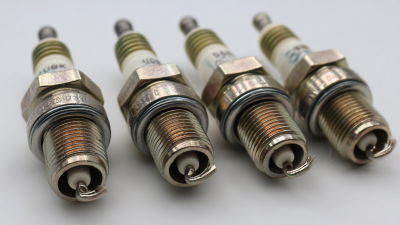
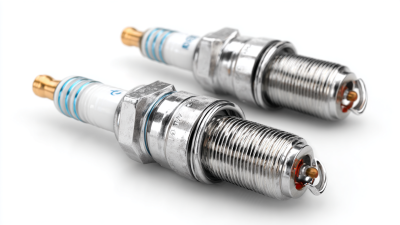
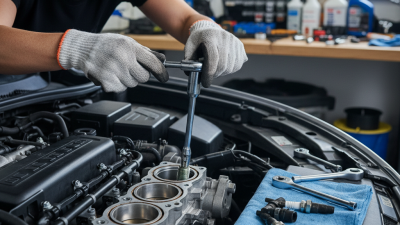
Spark plugs play a crucial role in engine performance. They ignite the air-fuel mixture in the combustion chamber. When they work efficiently, they enhance fuel efficiency and reduce emissions. A well-functioning spark plug ensures optimal engine power and responsiveness.
The market offers various types of spark plugs, including Platinum Spark Plugs, known for their durability and performance. Choosing the right spark plug affects engine longevity and overall driving experience. Many vehicle owners overlook this component, thinking it requires little attention. This can lead to misunderstandings about maintenance needs.
Understanding spark plug pricing requires knowledge of materials and manufacturing processes. Prices can vary based on type, brand, and specifications. Some may wonder why inexpensive options exist, while others cost significantly more. Quality often justifies these differences. However, not all expensive spark plugs guarantee superior performance. Evaluating your specific engine requirements is essential.
Factors Influencing Spark Plug Pricing in the Market
When examining spark plug pricing, several key factors come into play. The manufacturing process significantly affects costs. High-quality materials, such as platinum or iridium, can raise prices due to their durability and performance. This makes premium spark plugs a worthwhile investment for certain vehicles.
Supply chain dynamics also play a crucial role. Changes in raw material availability or global demand can influence pricing. For instance, economic disruptions may lead to price hikes. Customers should be aware of these fluctuations when budgeting for Spark Plug Replacements.
Another aspect is the type of vehicle. Performance vehicles often require specialized spark plugs, which tend to be more expensive. However, basic models may use standard options, reducing overall costs. Buyers should consider their specific needs before making a purchase. Ultimately, understanding these aspects can demystify the pricing landscape.
Comparing Different Types of Spark Plugs and Their Costs
When considering spark plugs, it's essential to understand the different types available and their corresponding costs. Standard copper spark plugs are the most affordable option. They generally last about 20,000 miles. However, they may not perform well under high-stress conditions.
Going for platinum or iridium spark plugs can be a wise investment. They offer better longevity, often exceeding 100,000 miles. Their higher price reflects their durability and efficiency. This investment can save you money in the long run, especially if Spark Plugs Changing is something you'll do less frequently.
Comparing prices across different outlets helps. Look for reputable retailers that provide clear descriptions of the products. Don't hesitate to reach out with questions about compatibility or installation. Sometimes you might find that a slightly more expensive option actually delivers better value. Always check reviews from professionals and mechanics to guide your decision.
Understanding Spark Plugs Pricing
Understanding Spark Plug Brands and Their Pricing Strategies
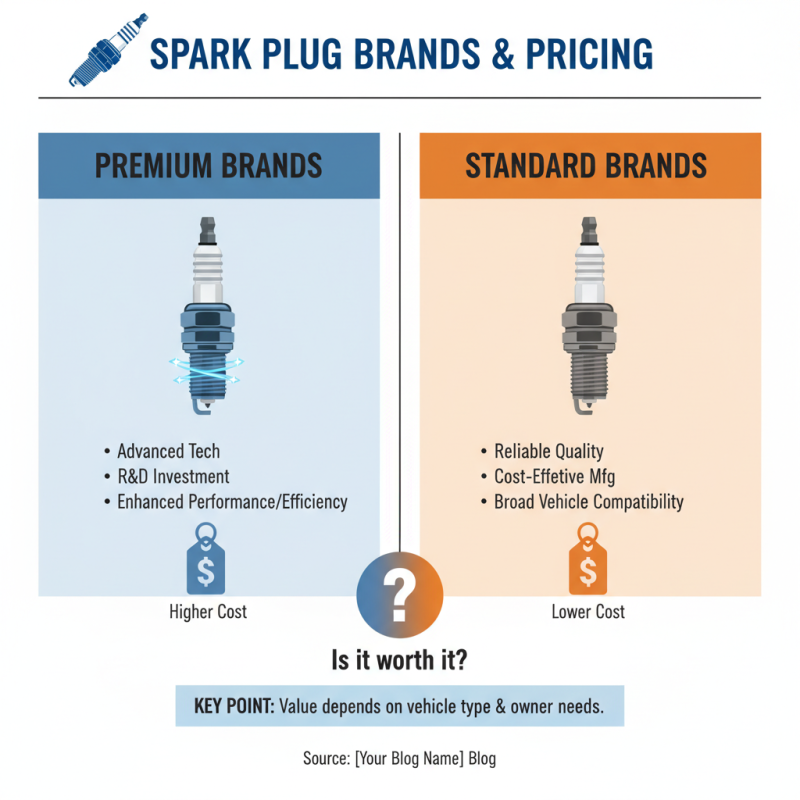
When it comes to spark plug brands, each has its own pricing strategies to attract consumers. Premium brands often invest heavily in research and development, creating higher-cost products with advanced technology. These plugs may enhance engine performance and fuel efficiency. However, their higher price point may not be justified for every vehicle owner.
Balancing quality and cost is essential. Some budget brands offer reliable options without the hefty price tag. Yet, choosing cheaper spark plugs can sometimes lead to compromised performance and frequent replacements. Therefore, consider your vehicle's needs and how often you drive. This understanding will help you decide which brand aligns with your budget and requirements.
Tip 1: Research the materials used in spark plugs. Different components influence durability and performance. Tip 2: Look for consumer reviews. They provide insights into how different brands perform in real-world conditions. Tip 3: Consult with a trusted mechanic for tailored advice. They can guide you on the best value for your specific automobile.
Where to Buy Spark Plugs: Retail vs. Online Prices
When considering where to buy spark plugs, the choice between retail stores and online options can be overwhelming. Retail locations allow for immediate purchase, but prices can vary significantly. Local auto parts shops often carry Original Spark Plugs, yet their pricing may be higher due to overhead costs. Visiting multiple retailers can provide a clearer picture of local price ranges, but it consumes valuable time.
Online shopping offers convenience and often lower prices, especially for Original Spark Plugs. Numerous online platforms allow for price comparisons in seconds. However, potential downsides exist, such as shipping costs or longer wait times. Additionally, inconsistencies in product listings can lead to confusion. Some may receive the wrong type or brand, risking engine performance.
Before making a decision, research multiple sources. Look for customer reviews to gauge reliability. Engaging with online forums can uncover hidden insights. Always confirm specifications to ensure compatibility. This thorough approach helps to avoid costly mistakes or subpar products. Balancing between speed and cost efficiency is crucial in making the right choice.
Top 5 Tips for Understanding Spark Plugs Pricing Today
| Criteria | Retail Price (USD) | Online Price (USD) | Price Difference (USD) |
| Standard Copper Spark Plug | $2.50 | $2.00 | -$0.50 |
| Premium Iridium Spark Plug | $10.00 | $8.50 | -$1.50 |
| Performance Spark Plug | $15.00 | $12.00 | -$3.00 |
| Platinum Spark Plug | $8.00 | $6.50 | -$1.50 |
| High-Performance Spark Plug | $20.00 | $17.50 | -$2.50 |
Tips for Budgeting Your Spark Plug Replacement Costs
When budgeting for spark plug replacements, understanding costs is crucial. Research shows that spark plugs typically range from $2 to $12 each, depending on the type and quality. For instance, iridium and platinum plugs are often more expensive but offer better longevity. An average vehicle requires four to eight spark plugs. This means costs can quickly add up, especially if you have a vehicle requiring multiple plugs.
In addition to the spark plugs' price, labor fees can affect your budget. Many mechanics charge between $50 to $100 per hour. Replacing spark plugs usually takes about an hour. Therefore, total replacement costs could range from $150 to $300, factoring in both parts and labor. However, finding your vehicle's Spark Plugs Location can significantly impact labor costs. If plugs are easily accessible, the labor may be less.
Seeking quotes from multiple service centers can also help manage your budget. It's essential to verify the qualifications of technicians performing the replacement. Always prioritize quality over cost. A well-maintained engine contributes to fuel efficiency, which can offset some of the replacement expenses in the long run. This approach encourages proactive car care rather than reactive spending.
How Maintenance Affects the Longevity and Cost of Spark Plugs
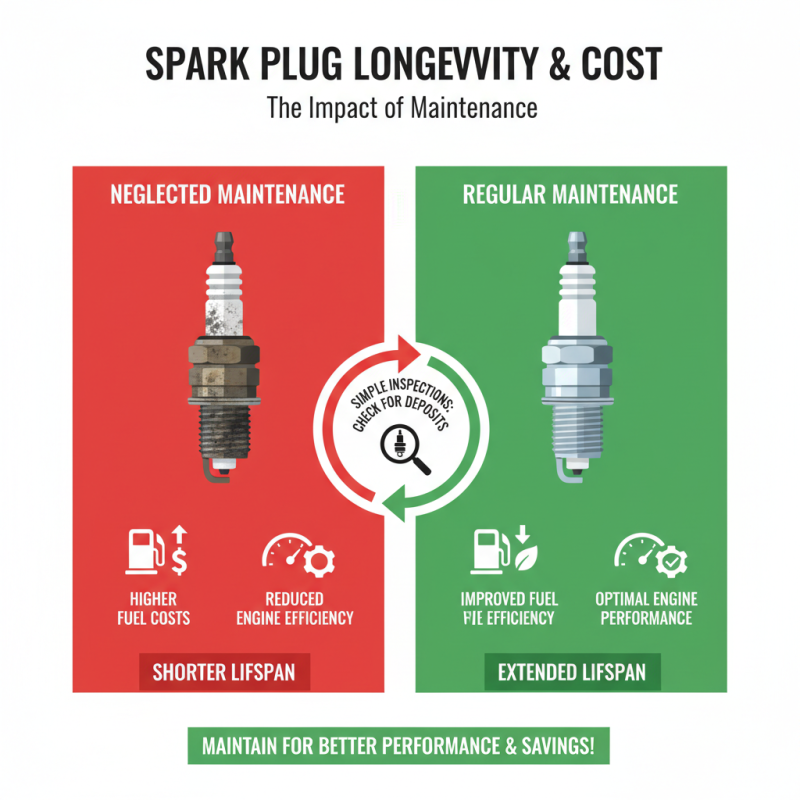
Spark plugs play a crucial role in the engine's performance. Neglecting their maintenance can result in higher costs and reduced engine efficiency. Regular checks can help extend the life of spark plugs. When they are dirty or worn out, they can impact fuel efficiency significantly. Simple inspections, such as checking for deposits, can lead to better performance.
The driving conditions also affect the lifespan of spark plugs. For example, frequent short trips can wear them out faster than long drives. If an engine is misfiring, it may indicate that spark plugs need attention. Ignoring these signs can lead to more significant repair costs down the line. Keeping track of the maintenance schedule is beneficial for car owners. It will not only improve longevity but also save money.
Understanding these aspects is vital for anyone looking to manage spark plug costs effectively. Regular maintenance is an investment. It may require upfront effort, but the long-term savings are worth it. Many drivers underestimate the importance of timely checks. This oversight can lead to premature failure and higher expenses. Small efforts can yield significant benefits in the world of engine performance.
Enhancing Engine Performance: Insights from Industry Reports on TIWS9745 Bosch M14 Spark Plugs and Their Impact on Fuel Efficiency
Fuel efficiency is a critical factor in maximizing engine performance, particularly in heavy-duty applications such as those found in KAMAZ 820 gas engines. Recent industry reports highlight the influence of ignition components, specifically the use of high-quality spark plugs like the Bosch M14, on enhancing fuel efficiency. The M14 spark plugs facilitate optimal combustion processes, allowing engines to operate more smoothly and effectively, ultimately contributing to lower fuel consumption and reduced emissions.
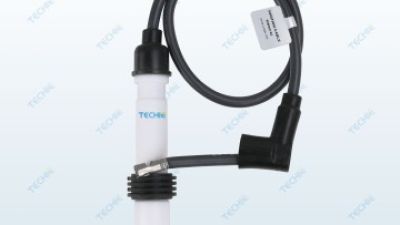
In addition to spark plugs, the spark plug wires also play a significant role in ensuring the engine runs efficiently. TECHIE premium ignition cables are designed specifically for compatibility with the KAMAZ 820 gas engines utilizing Bosch M14 spark plugs. These ignition cables are engineered to deliver superior conductivity and durability, which are essential for maintaining consistent spark delivery and minimizing energy loss. The synergy between high-quality spark plugs and ignition cables can lead to substantial improvements in engine performance and efficiency.
FAQS
: The main types are standard copper, platinum, and iridium spark plugs.
They typically last around 20,000 miles.
They can exceed 100,000 miles and offer better durability and efficiency.
Regular checks can extend their life and improve engine efficiency.
Frequent short trips can wear them out faster than longer drives.
It could mean the spark plugs need maintenance or replacement.
Keeping track can improve longevity and help save money.
Neglecting them can lead to higher repair costs and reduced efficiency.
They can spot deposits and improve fuel efficiency.
Underestimating the importance of timely checks often leads to premature failure.
Conclusion
Understanding Spark Plugs Pricing is crucial for vehicle owners looking to maintain or enhance engine performance. Spark plugs play a vital role in igniting the air-fuel mixture in the engine, and their efficiency directly impacts vehicle operation. Various factors influence spark plug pricing in the market, including the type and quality of the spark plug, the materials used in its construction, and the specific performance characteristics required.
When comparing different types of spark plugs, one can find a range of costs reflecting their construction and performance differences. Additionally, understanding the pricing strategies of different spark plug brands can provide insight into potential savings. Whether purchasing from retail stores or online platforms, consumers should consider convenience and pricing variations. Budgeting for spark plug replacements is essential, and routine maintenance can significantly affect both the longevity and cost of spark plugs, ensuring that vehicles run smoothly while managing expenses effectively.